
I worked with a team to create a single source proof-of-concept for the fictitious Tech Company. We used Madcap Flare and Madcap Central to create a searchable knowledge base, as well as two print installation and configuration guides, for Tech Company’s enterprise-class server, Zen4. We also wrote a cover letter to accompany the deliverables.
Background
During this project, I gained familiarity with Flare and learned to generate outputs using a component content management system. I also learned strategies for implementing topic-based authoring, DITA and EPPO principles, and structured content. I gained competencies developing taxonomies and metadata, as well as using CSS to design documents and web pages.
Single Source Publishing
Single source publishing is a way of housing content that can be used to generate many different types of builds from the same source. For example, instead of editing the same content in three different places, authors can edit content in one place. The changes will be applied anywhere the content is used. Single sourcing promotes content reuse by reducing redundancy and allowing topics to be rearranged or applied to new documentation as needed.
Topic-Based Authoring
Topic-based authoring is a way of structuring content so that single ideas are grouped into “topics,” instead of storing all ideas in a single file. Topic-based authoring often follows Every Page is Page One (EPPO) or Darwin Information Typing Architecture (DITA) principles, and a topic generally includes everything a reader needs in one unit. Topic-based authoring is often more efficient for technical topics than writing from top to bottom in chapters like a book, especially when implemented alongside structured authoring.
Structured Authoring
Structured authoring uses the content inside a topic to create data. Markup language like XML is used assign meaning through tags. Structured authoring reduces time spent enforcing editorial standards because all writers create content using the same standards of what information to include.
Process
This project involved several steps, including conducting a content audit, creating templates, organizing our files, developing a taxonomy and metadata, creating outputs, and writing a cover letter.
Content Audit
We began by conducting a content audit, categorizing each topic into one of three DITA topic types: concept, task, or reference. We also gathered keywords and metadata from the topics and recorded this information in a spreadsheet.
Topic Templates
Next, we created structured topic templates adhering to DITA and EPPO standards. These templates were created to save time for authors when creating new topics, as well as to ensure consistent structure. I created a topic template for Tasks that includes sections for prerequisite conditions, steps, and result.
Organization
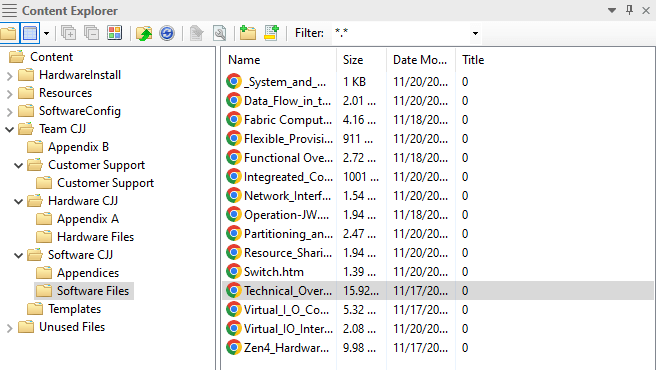
After completing the content audit and creating the templates, we began working in Madcap Central. We selected one chapter and two appendices from the original content to work with, given the limited scope of our project. Next, we grouped topics under categorized files.
Taxonomy and Metadata
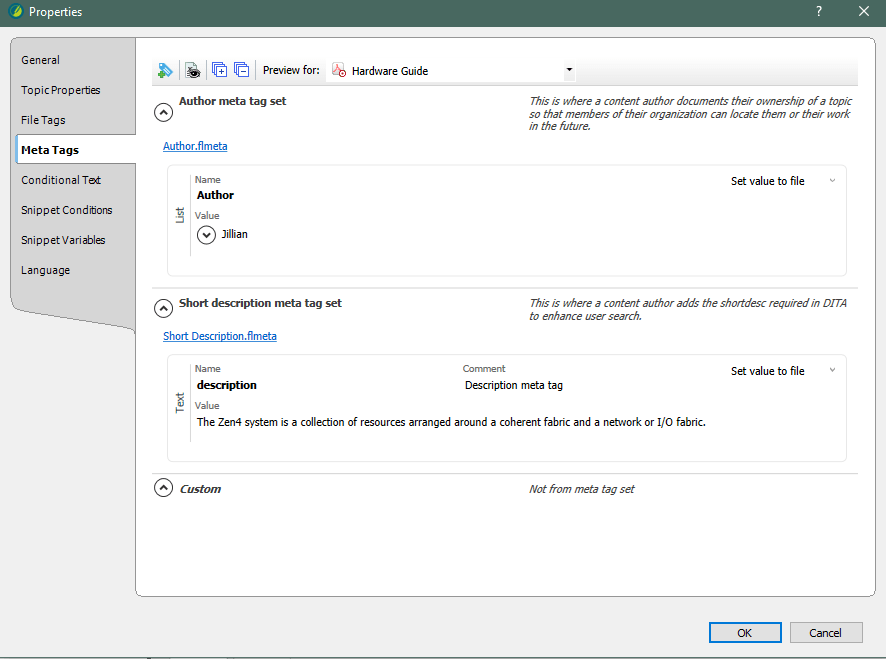
Using the information from our audit, we then developed a taxonomy and introduced metadata. We manually selected keywords and metadata to make the content more searchable and organized.
Result
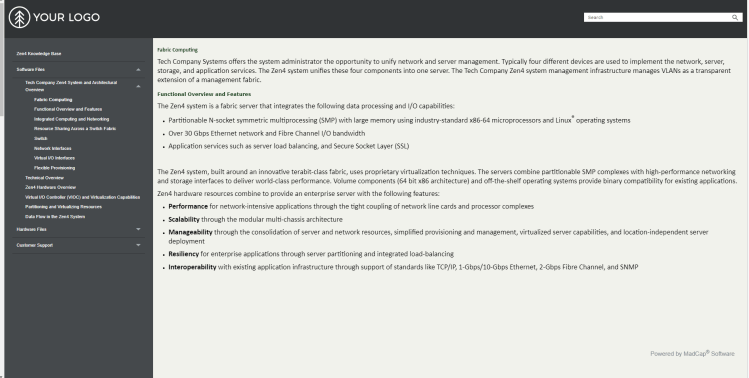
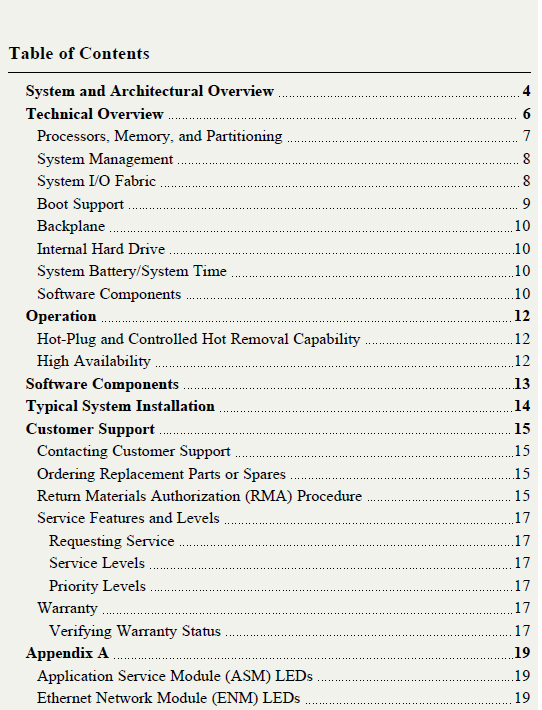
Finally, we created three total builds as a proof-of-concept: a searchable knowledgebase and two PDF outputs. Our group received a 96 out of 100 on the project. The screenshots below demonstrate two samples from these builds.
Lastly, we wrote a cover letter explaining single sourcing and its benefits to the client, as well as justifying our decisions. Our instructor highlighted our cover letter as an exemplar that “far exceeded [her] expectations.” Our instructor made the following comments regarding our cover letter:
Here’s what makes it an exemplar:
- Detailed description and explanation of proof of concept that may be repurposed by readers to explain how single-sourcing works and why it’s beneficial.
- Excellent organization that allows readers to scan letter content and skip details of less interest to them.
- Accurate understanding and persuasive presentation of concepts behind the project: single sourcing, DITA, topic-based authoring, content management, etc.
Overall, this is the type of material that earns freelancers future work. Hats off to [the team]!
Dr. Kim Sydow Campbell
 Jillian Garcia